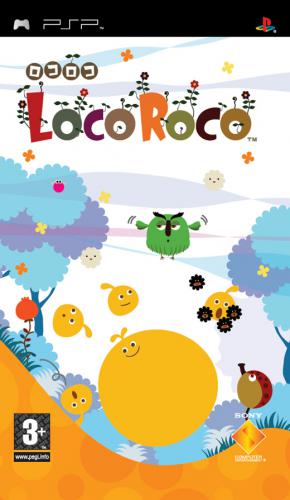
Game Details
| Size | 32 MB |
| Region | USA |
| Genre | Puzzle |
| Format | 7z / ISO |
| Year | May 10, 2005 |
| Console | PSP |
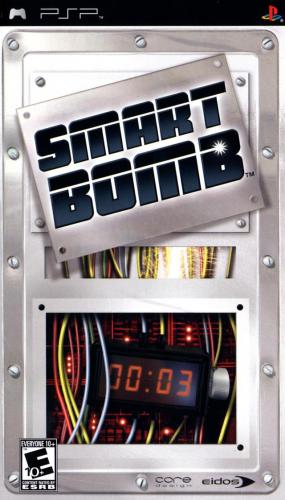
Smart Bomb (2005) is an early PlayStation Portable launch-window puzzle game that shifts the classic tile-matching or block-stacking genre into a high-stakes, action-oriented bomb defusal simulation. Developed by Core Design (the original creators of Tomb Raider), it challenges players to work under strict time constraints to disable complex, futuristic explosive devices.
📖 Story & Premise: Racing the Clock
The narrative is straightforward and styled like a high-tech espionage thriller. A brilliant but unhinged terrorist mastermind has planted a network of highly sophisticated “smart bombs” across various city locations, public infrastructure, and strategic facilities. As a top-tier bomb disposal expert, you are deployed to the scene via a remote hacking interface. You must systematically dismantle each device’s security layers before the countdown timer hits zero, preventing widespread devastation.
⚙️ Core Gameplay Mechanics
Instead of defusing a single bomb from a static perspective, each stage treats a bomb as a multi-layered mechanical network of interconnected modules.
- Layered Defusal: Each bomb consists of several defensive layers (often 3 to 5) that must be cleared sequentially. Once you solve the puzzle on one layer, the bomb’s casing shifts and opens up, revealing a completely different puzzle mechanism underneath.
- Diverse Puzzle Types: The modules test multiple cognitive skills under extreme duress:
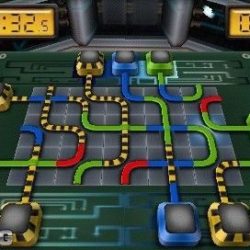
- Circuit Alignment: Rotating loose pipe or wire tracks to safely guide an electrical current from a power source to a ground terminal without causing a short circuit.
- Memory Sequencing: Repeating intricate flashing color patterns or audio tones (similar to Simon Says).
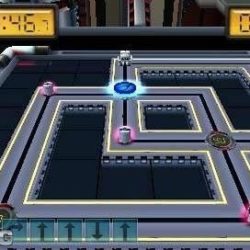
- Frequency Tuning: Matching radio waves or moving geometric spheres into specific target pockets while navigating moving hazards.
- Stress Modifiers: The game deliberately attempts to induce panic. As the timer drops below 30 seconds, the screen flashes amber, the PSP’s directional speakers mimic a rapid heart monitor beep, and the music intensifies. Making an incorrect move doesn’t just stall progress—it takes a hefty chunk of time off your remaining clock.
🎛️ Primary Game Modes
- Story Mode: A linear campaign where you tackle increasingly complex explosive devices across diverse environments, tracking the movements of the bomber.
- Arcade Mode: A fast-paced setup designed for quick portable sessions, challenging you to defuse random assortments of bomb modules back-to-back to chase high scores.
- Challenge Mode: Imposes strict modifiers on levels, such as starting with an incredibly short countdown timer or allowing zero mistakes.
- Multiplayer: Supports wireless Ad-Hoc play for up to four players, allowing bomb technicians to compete head-to-head to see who can defuse their assigned device first, or trigger “glitches” to sabotage opponents’ screens.
⭐ Short Review: High Tension with Finicky Controls
The Good
- Compelling Concept: Combining the logic-driven fun of puzzle games with the cinematic stress of a Hollywood bomb-defusal scene is a brilliant premise that fits the pick-up-and-play nature of handhelds well.
- Great Visual Presentation: For an early 2005 portable game, the sleek, shiny, 3D metallic bomb components look highly industrial and realistic, making the player feel like they are working with actual dangerous hardware.
The Bad
- Isometric Perspective Issues: Puzzles are viewed from a fixed 3D isometric angle. Rotating blocks or tracking path lines can occasionally cause perspective confusion, resulting in accidental input errors due to the angle of the PSP’s directional pad.
- Difficulty Spikes: The game rapidly ramps up in difficulty. Later stages introduce complex layers that heavily rely on trial-and-error memorization rather than pure skill, leading to frustrating game-over screens when time instantly runs out.
Screenshots